
After a break, your heart, lungs and muscles all need a little time to readjust to running. Starting where you left off is one of the most common ways people pick up an injury. A patient, progressive return usually gets you back to enjoyable running faster in the long run.
Start where you are, not where you were
Be honest about your current fitness rather than your best fitness. A walk to run approach works well for many people returning after a longer break, alternating short periods of easy running with walking, then gradually shifting the balance towards running as it feels comfortable.
Principles for a sensible return
- Increase your total running time or distance in small steps from week to week.
- Keep most of your running at an easy, conversational pace to begin with.
- Allow recovery days between runs, especially in the first few weeks.
- Add a couple of short strength sessions each week for your legs and hips.
Consistency beats intensity when you are coming back. Little and often, building gradually, is what allows your body to adapt.
Hayley Burgess, Chartered Physiotherapist
Listening to aches and pains
Some general muscle soreness in the day or two after a run is normal, particularly early on. Pain that is sharp, that gets worse as you run, or that lingers and keeps returning is worth paying attention to. Easing back and allowing recovery often settles things. If a niggle is not improving, an assessment can help you get back on track sooner.
A movement assessment can help
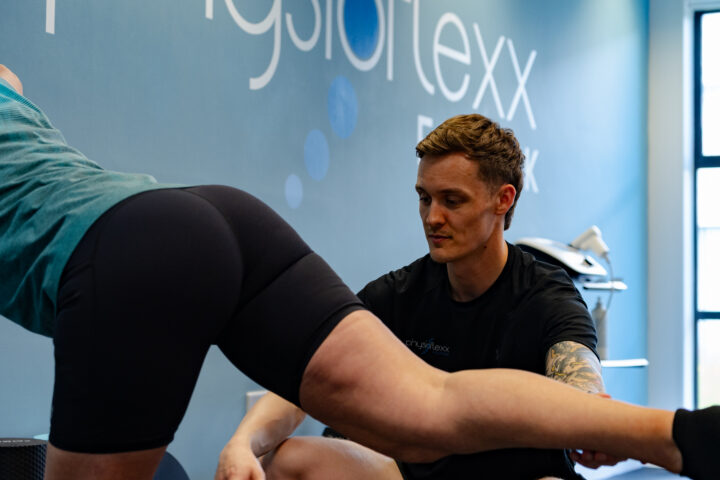
If you are returning from an injury, or you keep picking up the same niggle, our functional movement and strength assessment looks at how you move and load, and helps target the areas that will make the biggest difference to your running.